
If you have a cockatiel, you might be wondering if it’s safe for them to eat honey. After all, honey is a sweet treat that humans enjoy, so it stands to reason that your cockatiel would love it too, right? Well, the answer isn’t quite so simple. Let’s take a closer look, can cockatiels eat honey, and if so, is it safe for them?
What is honey and where does it come from?
Honey is a sugary substance made by bees from the nectar of flowers. The enzymes added during the digestion process transform this drink into a thick, sticky honeycomb which can then be removed and stored for future use as an ingredient in food or other products that require sweetness such as medicine cabinets across America!
Key Takeaways
- Diet & Nutrition: Always verify that any new food is non-toxic and safe for cockatiels before feeding.
- Behavior & Care: Sudden changes in behavior or droppings require immediate attention.
- Environment: A clean, stimulating environment is essential for a cockatiel’s physical and mental well-being.
Can cockatiels eat honey?
Cockatiels are Native Australians and their diet in the wild is made up mostly of seeds, fruits, and vegetables. If you are a cockatiel owner, you would want to know, can cockatiels eat honey? Honey isn’t part of their natural diet. It isn’t toxic, but it is almost pure sugar and can carry bacteria and fungal spores, so it is a poor choice for a bird this size. If you share any at all, keep it to a tiny lick of pasteurised honey, rarely.
How much honey can a cockatiel safely eat each day?
Ideally, none. Honey isn’t poisonous, but your cockatiel doesn’t need it, and a bird that weighs around 90 grams gets a big sugar hit from even a small amount. If you decide to share some, a tiny lick of pasteurised honey on the tip of a spoon, no more than once in a while, is the most you should offer. Too much sugar can lead to weight gain and upset the stomach.
Giving raw honey to your pet birds?
No. Raw, unpasteurised honey hasn’t been heat-treated, so it can carry bacteria, yeasts and fungal spores, and a small bird has little defense against them. That is why raw honey is worse than pasteurised honey for cockatiels, and why honey should never be given to young birds. If you share any honey at all, choose pasteurised.
What are the health benefits of honey for cockatiels and other birds?
Honey contains small amounts of antioxidants, and medical-grade honey has antibacterial properties when it is used on wounds. None of that makes it a useful food for cockatiels: the amounts that would matter come with far too much sugar. And if your cockatiel is coughing or sneezing, don’t treat it with honey. Breathing problems in birds can be serious, so watch for signs of illness and call your avian vet.
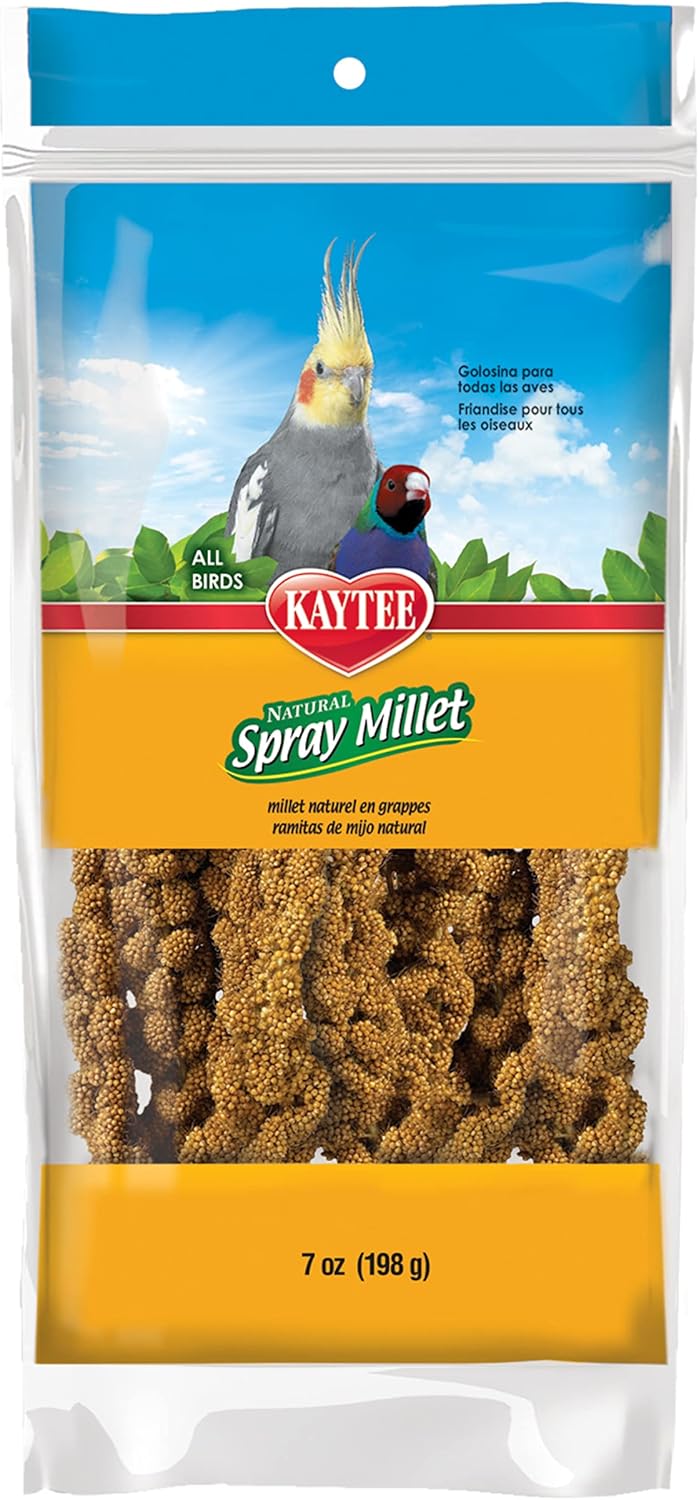
- Highly palatable treat
- All natural with no artificial colors or flavors
- Provides natural foraging opportunity for daily enrichment
- Provides healthy energy
- Good for encouraging weaning and getting birds to eat
- Adds recommended nutritional variety to a bird’s diet
- Ideal for bonding and playtime
How do I feed honey to my cockatiel?
If you do decide to give your cockatiel a taste of honey, offer a tiny amount of pasteurised honey on the tip of a clean spoon. Never mix honey into your bird’s water: sugary water spoils quickly and grows bacteria and yeast. Don’t drizzle it on food or let your bird lick it from your fingers either, so the habit doesn’t form.
Honey seed sticks from pet stores are seeds and nuts held together with honey. They are sugary and high in fat, so treat them as an occasional extra rather than a healthy snack, and choose plain seed treats or a millet spray where you can.
Can Cockatiels Eat Honeycomb?

It’s best not to. Honeycomb is raw honey sealed in beeswax, so it carries the same bacterial risk as raw honey, plus wax your bird can’t digest. Keep honeycomb away from your cockatiel.
What are some potential side effects of giving honey to cockatiels?

Honey isn’t toxic, but it does have side effects you should be aware of. If your cockatiel consumes too much honey, it may experience diarrhea or an upset stomach. Honey is also high in sugar, so if your cockatiel eats too much of it, it may become overweight.
If your cockatiel has a taste of honey and then has diarrhea or an upset stomach, don’t offer it again, and call your avian vet if the symptoms last more than a day, or straight away if your bird is fluffed up, sleepy or off its food.
Overall, honey is a sugary human food that your cockatiel is better off without. A tiny taste of pasteurised honey now and then won’t hurt most adult birds, but it shouldn’t become a regular treat.
Alternatives to honey for cockatiels
Honey is best skipped, and there are healthier and safer treat options available. Some alternatives include:

1. Fresh Fruits and Vegetables: Fresh fruits, such as apples, pears, and berries, are a delicious and nutritious treat for cockatiels. Vegetables like carrots, kale, cauliflower, and broccoli are also great options. Just be sure to wash them thoroughly before feeding and remove any seeds or pits.
2. Whole Grains: Cooked brown rice, quinoa, or barley can be a healthy and satisfying treat for your cockatiel.
3. Nutritious Commercial Treats: Many pet stores offer a variety of bird treats specifically designed to be both tasty and nutritious. Look for treats made from natural ingredients with little or no added sugar, and keep sweet ones, like honey seed sticks, as occasional extras.
The Importance of Moderation
Regardless of the treat you choose to offer your cockatiel, moderation is key. Treats should not make up more than 10% of your bird’s daily diet. Overindulging in treats can lead to obesity, nutritional imbalances, and health problems.
The answer to Can Cockatiels Eat Honey is?
So, can cockatiels eat honey? It isn’t toxic, but it is a poor choice. Honey is almost pure sugar for a bird this small, and raw honey can carry bacteria and spores, so never give raw honey or honeycomb, and never give honey to young birds.
If you do share any, keep it to a tiny lick of pasteurised honey from a spoon, only once in a while, and never in their water. Fresh vegetables, a little fruit or a millet spray make far better treats.