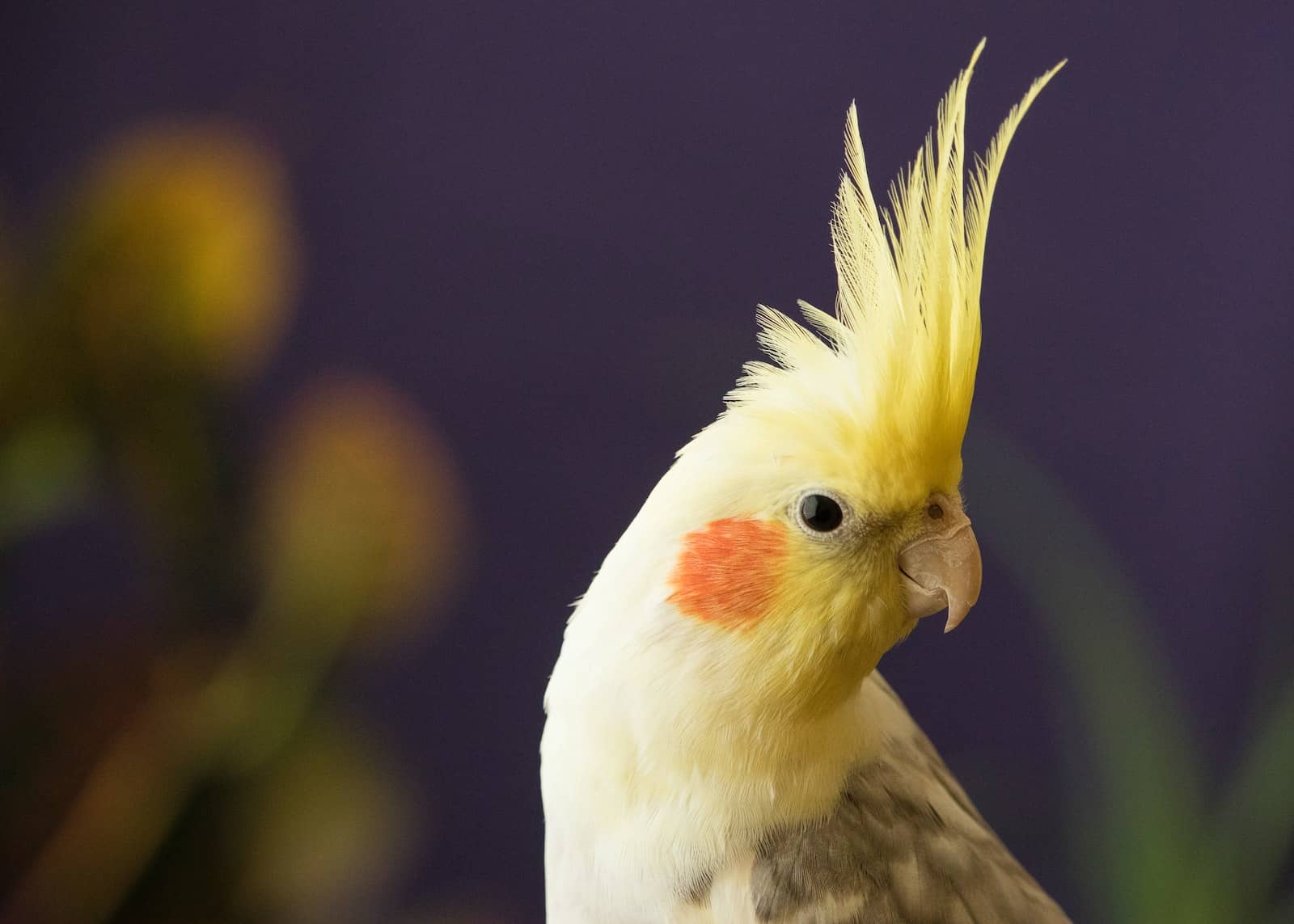
As cockatiel owners, you may be concerned if you notice your cockatiel vomiting or regurgitating food. These are not the same thing. Regurgitation is normal: a calm cockatiel bobs its head and brings up food from its crop to feed a mate, a chick, a mirror, a toy or its favorite person. True vomiting is different: the bird flicks or shakes its head and sprays food or fluid, often leaving it stuck to the feathers on its head, and that is a sign of illness that needs an avian vet promptly. In this article, we will discuss the possible causes of vomiting in cockatiels, symptoms to look out for, what to do if your cockatiel is vomiting, and how to prevent it from happening again.
Why is my cockatiel vomiting?
Regurgitation is usually part of courtship or bonding, so a bird that brings up food for a mate, a mirror or you, and is otherwise bright and eating well, is behaving normally. True vomiting has a cause that needs finding, and the most common causes in cockatiels fall into health issues, dietary causes, and environmental factors. Let’s explore each of these in more detail.
Key Takeaways
- Diet & Nutrition: Always verify that any new food is non-toxic and safe for cockatiels before feeding.
- Behavior & Care: Sudden changes in behavior or droppings require immediate attention.
- Environment: A clean, stimulating environment is essential for a cockatiel’s physical and mental well-being.

Health issues:
Medical causes of vomiting in pet birds include crop infections such as candida (yeast), heavy metal poisoning from zinc or lead, a swallowed foreign body, and liver or kidney disease. Bacterial infections can also cause vomiting in birds. Courtship and nesting behavior lead to regurgitation, which can look like vomiting but is normal: the food comes up with calm, rhythmic head-bobbing and is offered to a mate, a mirror, a toy or a person.
Dietary causes:
Spoiled food or overeating can cause vomiting in pet birds. Cockatiels love to eat, but they should not be overfed or given food that has gone bad. Feeding your cockatiel a diet that is high in fat can also cause vomiting. A sudden change of diet can also upset the digestive system, so introduce new foods gradually.
Environmental factors:
Cockatiels can become motion sick when traveling, which can cause them to vomit. Stress from changes in the environment, such as moving to a new cage, can upset the digestive system. A new mirror or a favorite toy, on the other hand, often sets off courtship regurgitation, which is normal. Careful observation of the bird’s behavior can help you identify any environmental changes that may be causing the bird’s illness.
Symptoms to look out for
As a pet bird owner, it is essential to know the signs of illness in your cockatiel. True vomiting usually looks like head-flicking or head-shaking that sprays food or fluid around the cage, with wet, food-matted feathers on the head and face. Other warning signs include a fluffed-up, sleepy bird, heavy breathing, loss of appetite, changes in the droppings, or a crop that stays full. Calm head-bobbing that brings up food to offer a mate, a mirror, a toy or you is regurgitation, which is normal if your bird is otherwise bright and eating well.
If you notice any of these warning signs in your cockatiel, it is essential to seek a vet immediately for help. An avian vet will be able to perform a physical exam, conduct diagnostic tests such as an X-ray or blood work, and recommend the appropriate treatment.
What to do if your cockatiel is vomiting?
If you notice your cockatiel vomiting, it is essential to act quickly. Call your avian vet promptly, because small birds can dehydrate quickly. Remove any spoiled or suspect food, keep your bird warm and quiet, and don’t take away its water unless your vet tells you to. Keep a close eye on your bird and take note of any other symptoms it may be exhibiting.
Don’t wait to see whether the vomiting stops on its own: your vet will need to find the cause. Your vet may recommend antibiotics if there is a bacterial infection or prescribe medication to treat a yeast infection. If a foreign body is present in the digestive tract, surgical intervention may be necessary.
Preventive measures

Preventing vomiting in cockatiels involves several measures. Feeding your bird a healthy and balanced diet is critical. Ensure that your bird is not overfed or given spoiled food. Feeding your bird a diet that includes a variety of fresh fruits and vegetables is essential.
Environmental adjustments can also help prevent vomiting in cockatiels. If you are planning to travel with your pet bird, take steps to minimize motion sickness. Make any changes to your bird’s surroundings gradually, and if your cockatiel vomits at any point, call your avian vet rather than waiting to see if it settles.
Other birds in the house can also impact your cockatiel’s health. If you have other birds in the same cage, it is essential to ensure that they are not fighting or competing for food, as this can lead to vomiting.
Finally, regular visits to an avian vet are necessary to help prevent any health issues and maintain your bird’s overall wellbeing. Your vet can check for any underlying medical conditions that may be causing your cockatiel to vomit and offer advice on how to best care for your pet bird.
Final Thoughts: Why is my cockatiel vomiting?
In conclusion, regurgitation and vomiting are not the same. Regurgitating food to a mate, a mirror or a favorite person is normal cockatiel behavior, while true vomiting, with head-flicking and sprayed food, is a sign of illness. Health issues, dietary causes, and environmental factors can all cause vomiting in cockatiels. Birds vomit for various reasons, so it’s important to pay attention to your bird’s behavior and look out for any signs of illness.
If you notice that your cockatiel is vomiting, seek help from an avian vet promptly. Taking preventive measures such as providing a balanced diet and making gradual environmental changes can also help reduce the risk of vomiting in cockatiels. With the right care and attention, you can help keep your pet bird safe and healthy.
Other suggested articles:
Understanding and Coping with Cockatiel Beak Banging as a Pet Owner