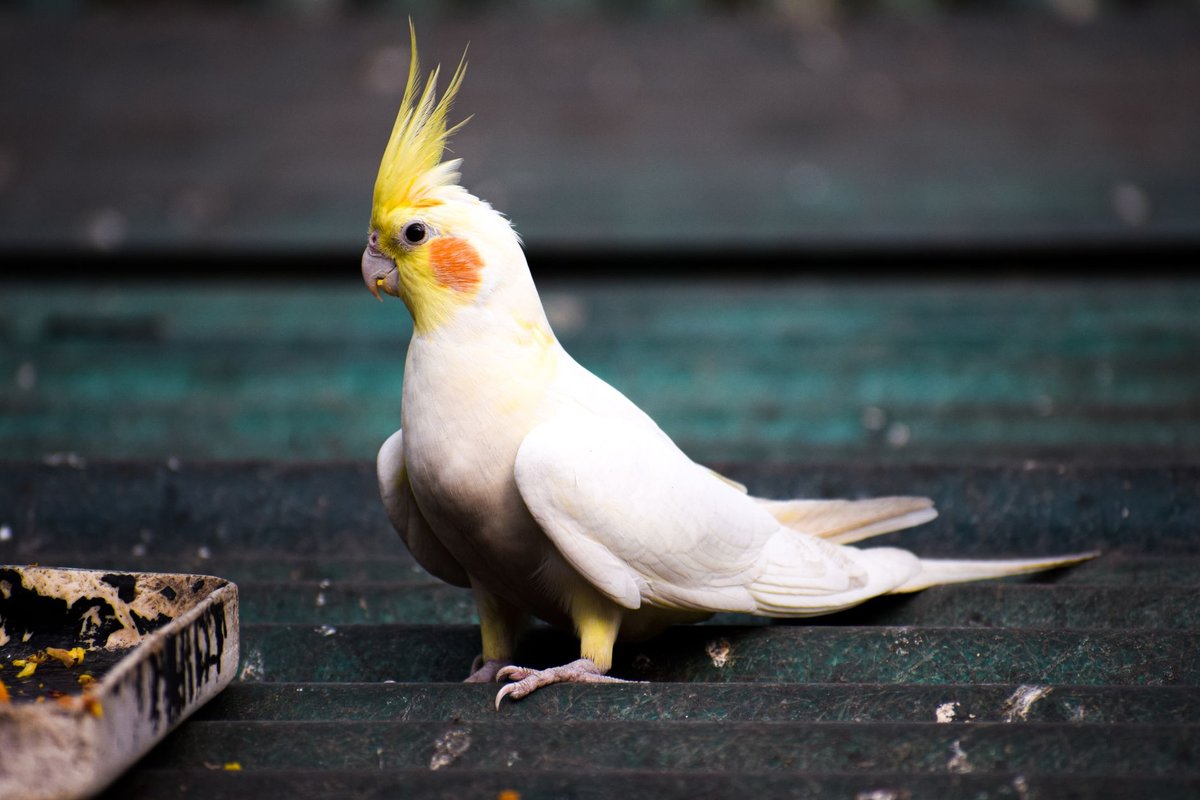
Quick answer: a cockatiel that has genuinely eaten nothing for 24 hours is a medical emergency. Small birds burn through energy reserves fast, and a fasting cockatiel can develop life-threatening liver complications within a day or two. Confirm it’s really not eating (count the droppings - fewer droppings means less food going in), offer favourite foods immediately, keep it warm, and call an avian vet the same day.
First: make sure it’s actually not eating
Seed dishes deceive people constantly. A cockatiel husks seeds and drops the shells back in the bowl, so a dish that looks full can be entirely empty hulls. Two reliable checks:
- Blow gently across the dish. Empty husks fly off; actual seed stays. If it’s all husks, your bird has eaten and the dish needs refilling.
- Count droppings. A healthy cockatiel produces roughly 18-26 a day. A sharp drop in number or size means food isn’t going in - this is the most sensitive early indicator you have. The cockatiel poop chart covers what else droppings tell you.
If you own a kitchen scale that reads in grams, weigh your bird. A drop of more than about 5-10% of body weight is significant in a bird averaging 80-100g. Our guide to how much a cockatiel should weigh explains the numbers.
Why cockatiels stop eating
| Cause | Clues to look for | Urgency |
|---|---|---|
| Illness (infection, organ disease) | Puffed up, quiet, sleeping, abnormal droppings | 🚨 Same day |
| Crop problems (sour or slow crop) | Swollen chest area, regurgitation, sour smell | 🚨 Same day |
| Egg binding | Hen straining, swollen abdomen, on cage floor | 🚨 Immediately |
| Beak injury or overgrowth | Visible damage, trying to eat but dropping food | ⚠️ Within days |
| Poisoning | Sudden onset, possible vomiting; check for chewed plants | 🚨 Immediately |
| Diet change (seed to pellet) | Bird is bright and active but ignores new food | ⚠️ Manage carefully |
| Stress or environment change | New home, new cage position, new pet, moved dishes | ⚠️ Monitor 24h |
| Bullying by a cagemate | One bird guards the dish; the other waits | ⚠️ Separate dishes |
The diet-conversion trap
This one deserves its own warning. Converting a cockatiel from seed to pellets is genuinely good for your bird - but birds have starved themselves rather than accept unfamiliar food. Never remove seed entirely and wait for hunger to win. That advice circulates widely and it kills birds.
Convert gradually instead: offer pellets alongside the usual diet, mix a small proportion of pellets into the seed and increase it over weeks, eat them yourself in front of your bird (cockatiels are intensely social eaters), and weigh weekly throughout. If weight drops, slow down. Our guide to pellet foods for cockatiels covers brand choice.
What to do in the first 24 hours
- Offer the most tempting food you have. Millet spray is the classic - very few cockatiels refuse it, which makes it both a feeding tool and a diagnostic one. A bird that won’t touch millet is a bird that’s genuinely unwell.
- Move food and water within reach. Put dishes right beside the bird, at perch level, and add a shallow dish on the cage floor if it’s sitting there.
- Add gentle warmth. 26-29°C (80-85°F) with an escape route. A cold bird spends energy on heat instead of recovery.
- Remove competition and stress. Separate cagemates, quiet the room, dim harsh lighting.
- Check the obvious. Has the food gone stale or mouldy? Did you change brands? Is a new dish or dish position confusing the bird? Is a mirror, toy or another pet blocking access?
- Call an avian vet. If your bird hasn’t eaten in 24 hours, or has eaten nothing while also looking unwell, don’t wait for the next morning. See how to find an avian vet.
Do not attempt to force-feed or syringe-feed a cockatiel without veterinary instruction. Fluid aspirated into the airway is quickly fatal, and it’s easy to do by accident.
When a bird eats but still loses weight
Eating normally while losing condition points to malabsorption, parasites, or a metabolic problem - it needs a vet workup, usually including droppings testing. Look for undigested seed in the droppings, which suggests food is passing through without being absorbed. Both this and refusal to eat are covered among the wider warning signs in our cockatiel health symptoms guide.
FAQs
How long can a cockatiel go without food?
Far less time than most owners expect. Cockatiels have very high metabolic rates and minimal fat reserves, and serious complications can begin within 24-48 hours of not eating. Treat a full day without food as an emergency rather than a wait-and-see situation. For the detail on survival windows, see how long can a cockatiel go without food?
My cockatiel only wants seed and refuses vegetables. What now?
That’s a fussiness problem, not an emergency - a bird eating plenty of seed isn’t starving. Work on variety slowly: chop vegetables finely and mix them through familiar food, offer them at the times your bird is hungriest, and eat them nearby yourself. Chop for cockatiels has recipes designed for exactly this.
My new cockatiel isn’t eating since I brought it home. Is that normal?
Mild appetite reduction for the first day or two in a new home is common. But keep offering the exact food it ate at the breeder or shop, keep the room quiet, and count droppings. If there’s no eating at all by the 24-hour mark, or the bird looks puffed and dull, see a vet - new birds can also be incubating illness from before you got them.
Should I hand-feed my adult cockatiel to get food into it?
Not without a vet showing you how. Hand-feeding formula into an adult bird carries a real aspiration risk. Tempting foods offered normally, plus prompt veterinary care, is the safe path.
This guide is general information, not a diagnosis. A cockatiel that stops eating is one of the few situations where same-day veterinary attention is almost always the right call.