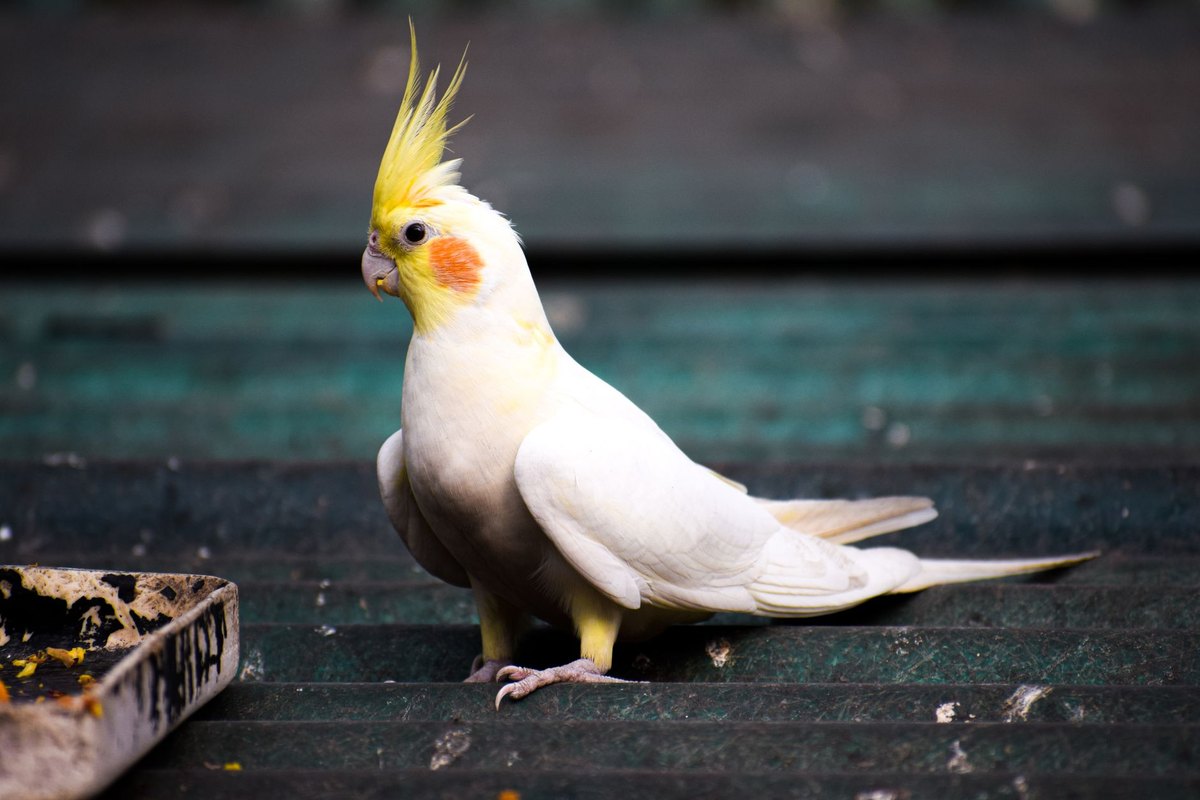
Quick answer: find your avian vet before you need one. Most general small-animal clinics see very few birds, and cockatiels deteriorate too quickly to spend an emergency morning ringing around. Search the Association of Avian Veterinarians directory at aav.org, ask local breeders and bird clubs, then phone to confirm how regularly the clinic actually treats birds. Save the number, and the nearest after-hours option, in your phone today.
Why a bird-experienced vet matters
Avian medicine is genuinely different. Birds mask illness until they’re seriously unwell, their anatomy and drug tolerances differ sharply from mammals, and safe handling of a stressed bird is a skill in itself - a badly restrained cockatiel can suffocate, because birds have no diaphragm and need to move their chest to breathe.
A caring general practitioner without bird experience may miss things a bird vet spots immediately, or reach for a medication dosed for a cat. Neither outcome is what you want at 8pm with a puffed-up bird on the cage floor.
Where to look
- Association of Avian Veterinarians - the AAV maintains a searchable member directory covering many countries. This is the best single starting point.
- Local bird clubs and cockatiel breeders. Often the fastest route to a genuinely good recommendation, because they’ve used these clinics repeatedly.
- Exotic pet clinics. Practices advertising “exotic” or “unusual pets” usually see birds, though some focus more on reptiles or small mammals - worth checking.
- Regional associations. In Australia and New Zealand, look for veterinarians affiliated with the Association of Avian Veterinarians Australasian Committee (AAVAC). Elsewhere, your national veterinary body can usually point to a special-interest group for avian or exotic medicine.
- Veterinary teaching hospitals. University vet schools often have avian specialists and after-hours capability.
Questions to ask before you book
A two-minute phone call tells you most of what you need:
- How many birds does the practice see in a typical week? (Regularly seeing birds matters more than any label on the website.)
- Does a particular vet at the clinic handle the bird cases, and are they in on set days?
- Can you do in-house bloodwork and droppings testing (gram stain), and take radiographs of a bird?
- What happens out of hours - do you see bird emergencies, or refer somewhere else?
- Roughly what does a first consultation cost?
What a first appointment involves
A thorough avian wellness exam usually includes an accurate weight in grams, a physical examination covering feather condition, beak, nostrils, eyes, vent, feet and body condition, listening to the heart and air sacs, and a discussion of diet, cage setup and behaviour. Depending on findings, your vet may recommend droppings testing, bloodwork, or a screen for psittacosis - a bird illness that can also affect humans.
Costs vary widely by country, city and clinic, so treat any figure you read online as indicative only. As a general expectation, a bird consultation typically costs somewhat more than an equivalent dog or cat appointment, and diagnostics such as bloodwork or radiographs add substantially. Ask for an estimate up front - a good clinic will give you one without hesitation.
How often should a healthy cockatiel see a vet?
An annual wellness check is the standard recommendation, moving to twice yearly for birds over about 10 years old. Because cockatiels conceal illness so effectively, these visits exist specifically to catch what you can’t see - and they establish a baseline weight and blood profile, which makes a future problem far easier to interpret.
Book a check within the first week for any newly acquired bird, too, before it meets any birds you already own. For a fuller schedule, see how often should a cockatiel go to the vet?
What to bring to the appointment
- Fresh droppings. Leave the cage paper unchanged that morning and bring it - this is the single most useful thing you can supply. The cockatiel poop chart explains what your vet is looking for.
- Videos of the symptom. Tail bobbing, a night fright, wheezing or a limp often won’t reproduce in the consulting room. Phone footage solves that.
- A written diet list - including brands, treats and anything your bird steals off your plate. Bring the actual pellet or seed packet if you can.
- Weight history, if you weigh weekly.
- A secure, warm carrier. Small and enclosed is less stressful than a big cage; cover it for transport and keep the car warm.
Build your emergency plan now
Write these down somewhere you’ll find them under pressure - a note on the fridge and a note in your phone:
- Your avian vet’s number and consulting days
- The nearest after-hours or emergency clinic that accepts birds, and the drive time
- A carrier kept somewhere you can grab it in seconds
- A basic first aid kit: styptic powder or plain cornflour for bleeding, clean gauze, a towel, and a heat source
The situations where this matters most are covered in our emergency guides: egg binding, breathing problems, a bird that won’t eat, injuries after night frights, and the broader cockatiel health symptoms guide.
FAQs
Can a regular vet treat a cockatiel?
In a genuine emergency with no alternative, yes - go. Any competent veterinary care beats none, and many general practitioners will stabilise a bird and refer onward. But for routine care and diagnosis, a vet who sees birds regularly is worth travelling further for.
Is pet insurance available for cockatiels?
Exotic pet cover exists in some markets but is far less common than dog and cat insurance, and terms vary considerably. Many bird owners instead set aside a dedicated savings buffer - avian emergencies tend to arrive suddenly and cost more than expected.
My cockatiel seems fine. Do I really need a yearly check?
“Seems fine” is exactly the problem. Prey species instinctively conceal illness, so visible symptoms often mean the condition is already advanced. A yearly exam plus your own weekly weigh-ins is the most effective early-warning system available to a bird owner.
How do I transport a sick bird safely?
Use a small carrier with a low perch or a folded towel on the floor, cover it to reduce stress, keep the car warm, and skip food and water in the carrier for short trips to avoid spills. Never hold a bird tightly around the chest - a bird restrained around the body cannot breathe.
This guide is general information about accessing veterinary care, not veterinary advice itself. Directory listings and clinic capabilities change - always confirm details directly with the practice.