Creating the ideal home for your cockatiel isn’t just about aesthetics—it’s essential to your bird’s physical and mental well-being. A well-designed cockatiel cage keeps your feathered companion safe, healthy, and happily chirping for years to come.
🧠 Why It’s Important to Design the Perfect Cage
Designing the perfect cage isn’t just a matter of aesthetics—it’s a matter of life and wellbeing for your cockatiel. These intelligent, social birds rely heavily on their environment to thrive. When their cage fails to meet basic standards, it can lead to chronic health and behavioral issues that are often misunderstood or misdiagnosed.
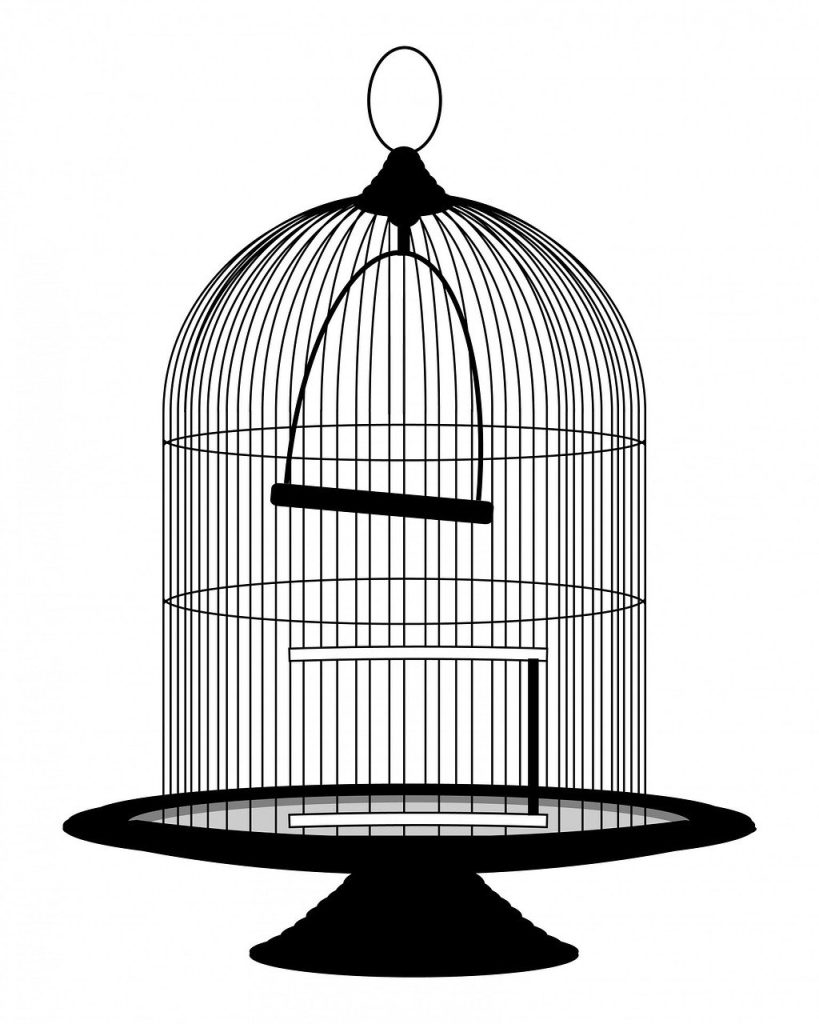
According to a study published in the Journal of Exotic Pet Medicine, over 60% of cockatiel health problems are linked to environmental factors. These include substandard cage sizes, unsafe materials, poor ventilation, and insufficient mental stimulation. These are not minor oversights—they’re significant risk factors that can shorten your bird’s lifespan and degrade its quality of life.
“Environment is the foundation of behavioral and medical health in birds.”
— Association of Avian Veterinarians (AAV)
Common Health Issues from Poor Cage Conditions:
| Problem | Cause | Impact |
|---|---|---|
| Feather plucking | Boredom or stress from lack of enrichment | Self-mutilation and infection risk |
| Foot deformities | Uniform or hard perches | Chronic pain and mobility issues |
| Respiratory infections | Poor ventilation and dust buildup | Breathing difficulty, lethargy |
| Anxiety & depression | Lack of interaction or visual stimulation | Loss of appetite, aggression, apathy |
A well-designed cage isn’t just a home—it’s a health intervention. From appropriate bar spacing to enriching toys and varied perch types, every detail plays a role in your cockatiel’s mental and physical health.
Want to be a responsible cockatiel parent? Start with the cage. It sets the tone for everything else.
| Cage Size, Bar Spacing, and Materials | |
| Feature | Recommendation |
| Minimum Size | 24” W x 24” D x 24” H (single bird) |
| Bar Spacing | ½ inch (1.3 cm) – safe for cockatiels’ heads |
| Material | Powder-coated metal or stainless steel (avoid zinc) |
| Shape | Rectangular (round cages can disorient birds) |
Perches, Toys, and Feeding Areas
Cockatiels are playful and active—enrichment inside the cage matters just as much as the structure itself.
✅ Perches
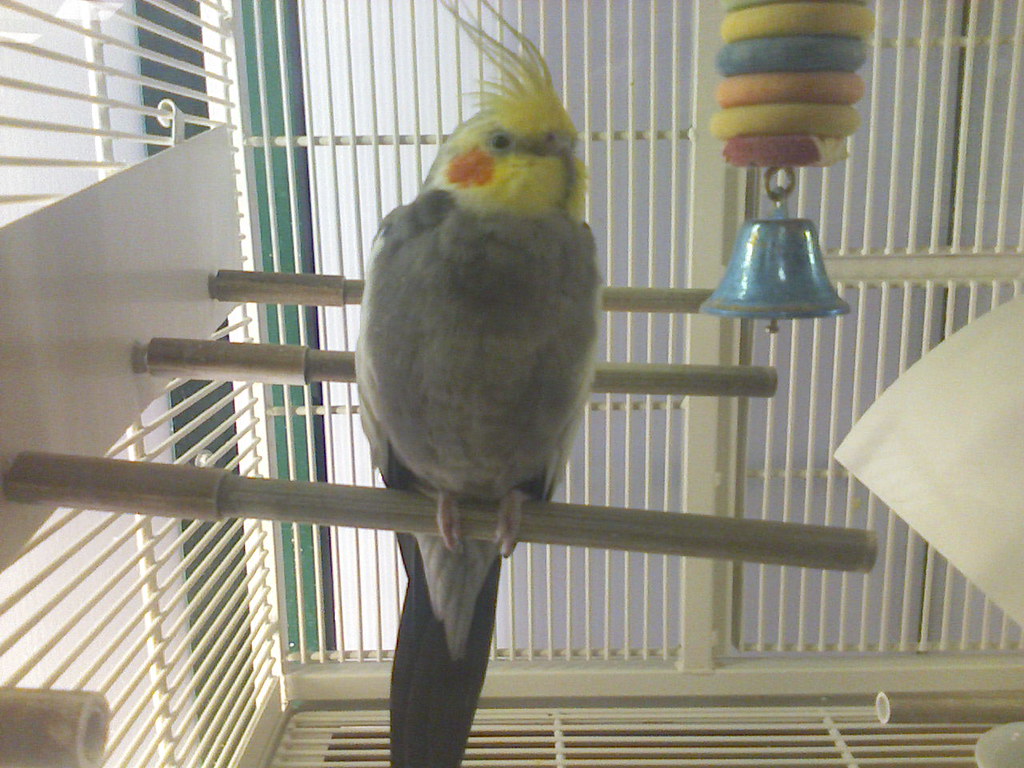
- Use varied textures and diameters (e.g., natural wood like manzanita or eucalyptus).
- Avoid sandpaper-covered dowels and uniform plastic perches.
✅ Toys
- Include chewable toys, ladders, ropes, bells, and foraging puzzles.
- Rotate toys weekly to avoid boredom and aggression.
- Use natural, non-toxic materials (no treated woods or frayed strings).
✅ Feeding Areas
- Place water and food bowls away from perches (to avoid droppings).
- Use stainless steel or BPA-free plastic dishes.
- Add occasional foraging stations for mental stimulation.
🧠 Tip: Interact with your bird daily and offer safe vegetables and seeds as part of a foraging toy. Learn more in Can Cockatiels Eat Bean Sprouts?
Hygiene and Safety Tips
Cockatiels are sensitive to their environment. A dirty or unsafe cage can quickly lead to illness.
Cleaning Routine
| Task | Frequency | Notes |
| Wipe perches | Daily | Remove droppings |
| Change liner | Daily | Newspaper or paper towels |
| Clean bowls | Daily | Use hot water and mild soap |
| Disinfect cage | Weekly | Use bird-safe cleaners (no bleach) |
| Rotate toys | Weekly | Prevent boredom and aggression |
Recommended cleaner: 1:1 white vinegar and water, or products approved by your avian vet.
Cage Placement
- Avoid direct sunlight, drafts, and kitchens (Teflon fumes are deadly).
- Place cage at eye level in a social room with natural light.
- Provide 10–12 hours of darkness for sleep—use a cage cover or blackout curtain.
⚠️ Warning: Teflon (PTFE) fumes can kill birds. Never use non-stick cookware near cockatiels.
🔗 EPA – Facts About PTFE Safety
Common Cage Setup Mistakes to Avoid
Knowing what not to do is just as important:
❌ Cage is too small or too short—birds need to stretch their wings.
❌ Plastic dowel perches only—leads to foot strain.
❌ Food bowls placed directly under perches—risk of contamination.
❌ Too many toys crowding space—can restrict movement.
❌ Frayed ropes and broken toys—pose choking and entanglement hazards.
Pro Tip: Avoid cheap cages labeled “small bird cages” without checking dimensions.
Temperature & Humidity Guidelines
Cockatiels thrive in stable environments:
- Ideal Temp: 65–80°F (18–27°C)
- Avoid drafts or heat sources nearby (radiators, windows).
- Keep humidity around 40–60% to prevent dry skin or respiratory stress.
📍 Where to Place the Cage in Your Home
| Location | Good/Bad | Why |
| Living Room | ✅ Good | Social engagement, indirect light |
| Kitchen | ❌ Bad | Cooking fumes, temperature swings |
| Bedroom | 🚫 Risky | May disrupt your sleep or theirs |
| Near window | 🚫 Risky | OK if indirect sunlight & no draft |
| High shelf | ❌ Bad | Birds feel too dominant; cleaning becomes difficult |
Signs Your Cockatiel is Unhappy with Its Cage
Be on the lookout for these red flags:
- Feather plucking or constant scratching as per PetMD
- Excessive screaming or aggression
- Lethargy or repetitive pacing
- Always hiding or clinging to the same corner
If you notice these signs, evaluate cage size, location, noise exposure, and enrichment.
Video: How to Choose the Perfect Cockatiel Cage
This comprehensive video, will help you find the best cage for your cockatiels.
Ready to give your cockatiel the safe, enriching home it deserves? Download our free Cockatiel Cage Setup Checklist:
Key Takeaways: Designing the Perfect Cockatiel Cage
- Minimum cage specs: 24″ W × 24″ D × 24″ H for one bird, ½-inch bar spacing, powder-coated metal or stainless steel (zinc-free).
- Perch variety: Offer natural branches of different diameters/textures; avoid plastic dowels and sandpaper.
- Enrichment rotation: Provide chewable toys, ropes, bells, and foraging puzzles; swap items weekly to prevent boredom.
- Hygiene routine: Wipe perches & change liner daily; full disinfection weekly with bird-safe cleaner (e.g., vinegar-water).
- Safe placement: Social room at eye level, away from direct sunlight, drafts, kitchens, and Teflon fumes.
- Climate control: Maintain 65–80 °F (18–27 °C) and 40–60 % humidity; ensure 10–12 hours of darkness for sleep.
- Red-flag behaviors: Feather plucking, constant screaming, or lethargy may signal cage size, location, or enrichment issues—audit setup promptly.